

Moving to Keene, NH surprises people. This is a city — a real one, with a walkable downtown, two colleges, a genuine arts scene, and a food culture that punches well above its size — tucked into the southwestern corner of New Hampshire along the Ashuelot River. The median home price is well below the state average. The commute times are short. The hiking is world-class twenty minutes away. And yet somehow Keene remains one of the most underestimated cities in New England. This guide is the honest version of what it’s actually like to live here.
Why People Are Moving to Keene, NH
Keene is the commercial and cultural hub of the Monadnock Region — a city of about 23,000 with a genuine downtown, a thriving arts scene, two colleges, and trails winding through the hills in every direction. It feels nothing like a small town, but it doesn’t feel overwhelming either. That balance is rarer than it sounds.
People relocating from Boston, Connecticut, and the wider Northeast increasingly set their sights on Keene for reasons that go beyond price. Yes, buying here costs significantly less than most of the region — the median home price sits around $373,000 as of late 2025 — but what keeps people is the texture of the place: walkable neighborhoods, independent businesses, community pride, and that particular Monadnock energy that’s hard to name and impossible to fake.
Keene earns consistently strong livability scores nationally, with residents highlighting walkability, accessible parks, friendly neighbors, and a genuine sense of civic engagement. This is a place where people show up — to community meetings, to the farmers market, to the things that make a city feel inhabited rather than merely populated.
Keene, NH Housing Market
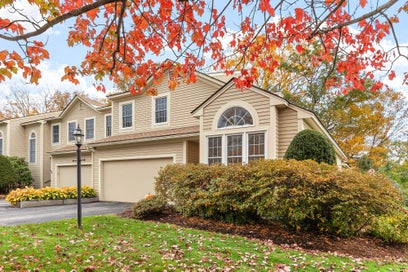
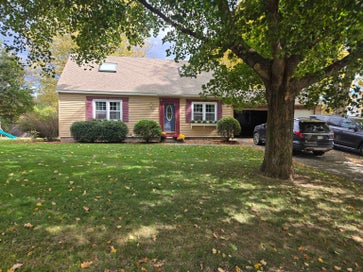
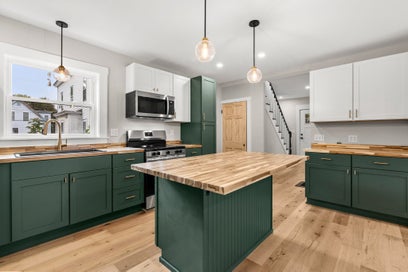
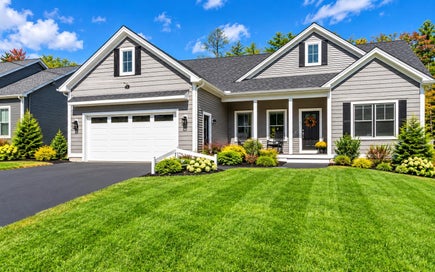
Keene’s housing stock has character. You’ll find Federal Colonials and Cape Cods on tree-lined streets close to downtown, mid-century ranches in family neighborhoods near Wheelock Park, and newer construction farther out toward the hills. Single-family detached homes make up roughly half the city’s housing, with a meaningful mix of duplexes and smaller multi-family buildings reflecting Keene’s college-town history.
As of late 2025, the median home sale price in Keene was approximately $373,000, up about 2% year-over-year, with homes averaging around 39 days on market (source: Redfin). Compared to the statewide median of around $534,000 (source: Houzeo), Keene offers genuinely accessible entry points — particularly for buyers coming from Massachusetts who find the price-to-space ratio refreshing.
Housing Snapshot — 2025/2026
What to expect when buying in Keene: The market is competitive enough that preparation matters — pre-approval in hand, clear priorities, and realistic expectations about condition in older homes. Many of Keene’s most characterful properties are 100+ years old and come with the realities of historic New England construction. A thorough inspection is not optional. The charm is genuine; budget for the maintenance.
Location, Commuting & Getting Around
Keene sits in the southwestern corner of New Hampshire, centrally positioned in New England with genuine access to Boston, Hartford, Montreal, and Portland. That positioning is one of Keene’s most underrated assets — you’re connected to the wider region without paying the premium of living inside it.
Commutes within Keene average just 18 minutes — significantly shorter than the national average. Much of the city is walkable, and the downtown core is as pedestrian-friendly as anywhere in New Hampshire. For longer trips, Manchester-Boston Regional Airport is about 70 miles east, and Bradley Airport near Hartford is roughly 90 minutes south. A personal vehicle is helpful but not always necessary within the city itself — Keene’s walkable downtown and the Cheshire and Ashuelot Rail Trails make car-free errands genuinely feasible day-to-day.









Downtown Keene & the Dining Scene
Keene’s downtown is built around Central Square — a genuine New England town center with a park, a historic white church, the Colonial Theater, and a streetscape that has featured in films (the 1994 Jumanji used it as a filming location). What makes it work is the density of independent businesses that have stayed, and the new ones that keep arriving.
Luca’s Mediterranean Café is a Keene institution — the kind of place that defines a downtown by being there for twenty years and still being good. Granita Enoteca has made a mark with its Italian wine-bar approach. Noble Ramen House regularly earns top marks for its refined Japanese-inspired menu in a space that would hold its own in any city. The Stage Restaurant offers contemporary American cuisine in the heart of the downtown. Elm City Brewing Company goes well beyond pub fare — expect a proper menu alongside small-batch ales in a space that draws a genuine local crowd.
The Monadnock Food Co-op anchors the community side of the food scene — locally owned, locally sourced, and beloved for everything from artisan cheese to prepared lunches. The Colonial Theater, the MoCo Arts Center, and the monthly First Friday Art Hop round out a cultural calendar that gives Keene an evening life well beyond what most similarly sized cities can offer.
Outdoor Life in Keene & the Monadnock Region
You don’t move to the Monadnock Region and stay inside. Keene sits at the center of an outdoor landscape that draws hikers, paddlers, skiers, and cyclists year-round — and most of it is accessible within 30 minutes of the city.
At 3,165 feet, Mount Monadnock towers above the surrounding hills just 20 minutes from downtown Keene. An estimated 125,000 hikers ascend the peak each year, making it one of the most climbed mountains in the world. Its open summit offers 360-degree views that reward every season — wildflowers in spring, blueberries in summer, fire-colored forest in fall, and a snow-crusted ridge in winter. If you’re moving to Keene and you haven’t climbed it yet, that changes quickly.
Within the city, Wheelock Park offers playing fields, a disc golf course, and easy walking paths. The Cheshire Rail Trail and Ashuelot Rail Trail give cyclists and walkers miles of flat, scenic corridor running through and beyond the city. In winter, Mount Snow in Vermont is about an hour’s drive for downhill skiing, while several cross-country areas dot the region. Keene receives about 55 inches of snow annually — more than the national average of 38 inches. If you love a proper winter, this is good news.
Community, Events & What Makes Keene Feel Like Home
Keene has a self-aware sense of civic pride. People here show up — to community meetings, to the farmers market, to neighborhood events, to the things that make a city feel genuinely inhabited. New people are welcomed, but the welcome is earned through participation rather than handed over automatically. The communities that feel most alive in NH tend to be the ones with the strongest volunteer culture, and Keene has it.
The city comes alive during its festivals — the Monadnock International Film Festival draws a serious film audience, and the Pumpkin Festival fills Central Square with thousands of carved jack-o-lanterns each fall in a tradition that captures something real about this community’s personality: enthusiastic, slightly quirky, and deeply committed.
Two colleges — Keene State College and Antioch University New England — add energy to the community without overwhelming it. Keene State was established in 1863 with roots in the liberal arts and now offers over 40 academic programs. Antioch, known for its graduate and doctoral programs in psychology, education, and environmental studies, draws a graduate-student population that adds to the city’s intellectual culture. The result is a community that skews younger and more engaged than similarly sized New England cities.
Schools & Education in Keene
Keene is served by the Keene School District, which feeds several elementary schools into a consolidated middle and high school structure. School quality is generally rated average to above average for the state, and the city’s college-town character means a higher-than-typical concentration of education-focused residents and community resources.
For people with specific academic priorities — AP offerings, arts programs, special education resources — visiting the schools directly and talking to current residents is the most useful research you can do. State-level report cards from the NH Department of Education provide district-level data, but they don’t capture the culture of a school, which matters as much as the metrics.
Private school options: Several independent schools are accessible from Keene, including options in the broader Monadnock region. If private school is part of your plan, research specific programs and commute realities before committing to a location.
Taxes & Cost of Living in Keene
New Hampshire’s most significant financial feature for residents is no state income tax on wages — your paycheck is subject only to federal income tax. There is also no sales tax. For people relocating from Massachusetts, Connecticut, or New York, the difference is meaningful and it compounds over years.
Keene’s cost of living is notably below Boston and New York City. Within New Hampshire, Keene comes in below the statewide average on most measures, meaning you get the benefits of NH’s favorable tax structure at a lower baseline cost than the Seacoast or southern NH communities.
The property tax reality
Here’s the honest part: Keene’s property taxes are high — among the highest in New Hampshire. The effective property tax rate is approximately 3.10%, with a median annual tax bill of around $6,343 (source: Ownwell). As of December 2025, Keene held the second-highest property tax rate in the state (source: Keene Sentinel).
This doesn’t make Keene a bad financial decision — the purchase price is significantly below comparable Massachusetts communities, and the income tax savings are real. But you should model your total monthly carrying cost — mortgage principal and interest, property taxes, and insurance — rather than looking at purchase price alone. That full picture still compares favorably to most of what you’d find at similar price points across the border.
Pros & Considerations for Moving to Keene
No town is the right fit for everyone. Here’s a clear-eyed look at what Keene offers and what deserves honest consideration.
- Genuine walkable downtown with strong independent dining and retail
- Median home price well below the NH state average
- No state income tax on wages
- Short commutes — city average is 18 minutes
- World-class hiking at Mount Monadnock 20 minutes away
- Two colleges bring energy and cultural programming
- Strong civic engagement and community events
- Rich arts scene: theater, galleries, film festivals
- Four-season outdoor access
- Property taxes are among the highest in NH
- 55 inches of snow annually — winters are genuine
- Ocean beaches are a 2-hour drive
- Nearest major airport is about 70 miles away
- Job market is smaller than Manchester or Nashua
- Limited direct public transit to other cities
- Boston commute is workable for hybrid but not ideal for daily
Frequently Asked Questions About Moving to Keene, NH
Is Keene, NH a good place to live?
Yes — Keene consistently earns strong livability scores nationally, with residents citing walkability, community character, outdoor access, and short commute times as defining qualities. It’s a particularly good fit for people who want genuine small-city energy without paying city prices.
What is the cost of living in Keene, NH?
Keene’s cost of living is significantly below Boston and New York City. The median home price is around $373,000 as of late 2025. New Hampshire has no state income tax on wages, though Keene’s property taxes are among the highest in the state and should be modeled as a real monthly expense.
How far is Keene from Boston?
Approximately 2 hours by car under normal conditions. Manchester-Boston Regional Airport is about 70 miles east and offers direct flights to major hubs. Bradley Airport near Hartford is about 90 minutes south.
What is the housing market like in Keene, NH?
As of late 2025, the median sale price in Keene is approximately $373,000, with homes averaging around 39 days on market. The market is competitive — homes in strong condition at the right price move quickly. The housing stock skews historic, with many Cape Cods and Colonials that reward buyers who do thorough inspections.
Does it snow a lot in Keene, NH?
Keene averages about 55 inches of snowfall annually — significantly above the national average of 38 inches. Winters are real and long. The people who live here and love it tend to participate in winter rather than wait it out.
What are the best neighborhoods in Keene, NH?
Popular areas include the walkable neighborhoods surrounding downtown and Keene State College, the family-friendly West Keene area near Wheelock Park, and quieter residential streets toward the hills. Each has different character and price points — the right fit depends on what you’re prioritizing.
What is daily life like in Keene, NH?
Daily life in Keene tends to be walkable, community-oriented, and seasonally driven. Short commutes, accessible outdoor recreation, independent restaurants, and a strong civic culture define the rhythm of the place. The college-town energy keeps things active year-round without feeling overwhelming.
For more on life in the broader Monadnock Region, read the small town and rural living guide. Browse the full Move to New Hampshire resource guide to explore other towns and regions across the state.